

A Bigger Bracket in Oklahoma City
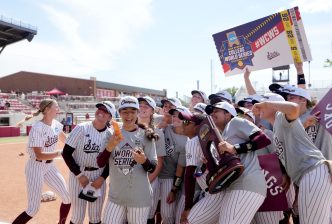
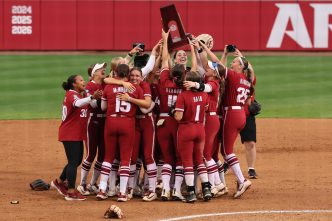
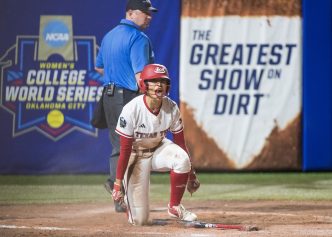
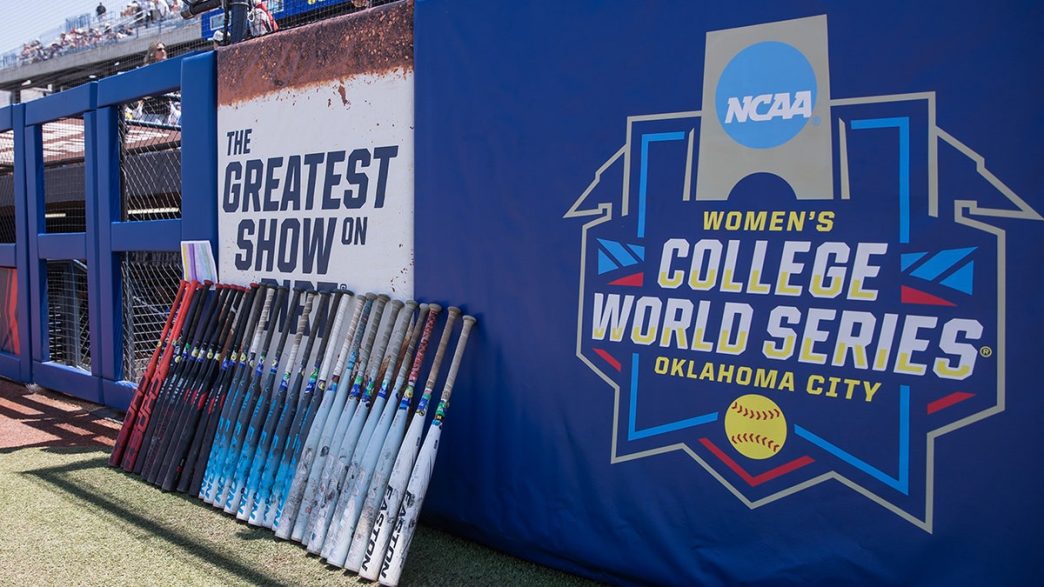
The 2026 Women’s College World Series at Devon Park in Oklahoma City (May 28 through June 4 or 5) will feature a 32-team field, an expansion from the previous tournament format. More teams means more paths to the championship, more meaningful bubble decisions at Selection Sunday, and a richer early-round environment where high-quality upsets become more likely.
Devon Park, which opened in 2021 and has been widely considered the best softball-specific venue in the country, has hosted the WCWS since its debut. The expanded field gives the facility more games, more stories, and a wider national audience draw. Every program that earns a bid to Oklahoma City in 2026 gets to compete in a field that represents the full depth of Division I softball.
The New Seeding Format
The 2026 bracket introduces a “bucket” seeding approach designed to limit early-round conference matchups. The goal is geographic proximity first, conference separation second. Instead of a straight 1-through-32 bracket with predictable conference rematches in the early rounds, the bucket system distributes seeds in a way that keeps regionally close opponents from meeting immediately while still rewarding the top programs with favorable draws.
In practical terms, this means a SEC program ranked No. 6 nationally is less likely to face another SEC team in their Regional bracket. Conference matchups still happen, but the bracket-builders have more flexibility to prevent them in the first weekend. For fans of specific conferences, that matters. For fans of good baseball, it means more cross-conference first-round matchups with genuine storylines.
Who Benefits From the Expansion
The SEC leads all conferences in projected regional hosting spots, which comes as no surprise given its recent dominance of the sport. The ACC, Big 12, and Big Ten each have multiple projected hosts as well. But the expansion primarily benefits the programs on the seeding bubble. Teams like Virginia Tech, Duke, Stanford, and Arizona all have strong resumes without clear top-8 standing. More regional bids for conferences across the board means those programs are less likely to be left out.
The most consequential change may be for teams ranked 9 through 16. In the expanded format, there are more at-large possibilities, and a strong RPI with a competitive schedule carries more weight at selection time. Programs that play tough non-conference schedules and survive competitive conference races will be rewarded.
What’s Next
The NCAA Selection Show for softball will reveal the full 32-team bracket in mid-May. Between now and then, six weeks of regular season and conference tournament play will reshape the national seed picture weekly. Keep watching the results from the top-25 series every weekend. Devon Park in late May is the destination, and the road there just opened up.